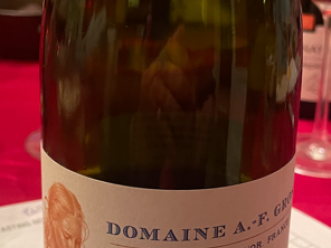
2012 Domaine A.-F. Gros Richebourg, France, Burgundy, Wine Review
Vintage:
2012
Score:
96
Grade:
A
Current Price:
$850.00USD
France: Wine, French Wine Regions, Bordeaux, Burgundy, Champagne, & More Profiled
Beautiful wine. Deep ruby in color, mostly clear and bright. The nose is complex and deep. Flavors of cherries, plums, slight black raspberries along with some earthiness and just a hint of forest floor. Medium to full bodied. Light tannins. Flavors of sweet cherries, black cherries, slight cocoa and earthiness. Long finish. This feels like it is not yet at peak and should drink well for another ten to twelve years. Great on its own, it should work well with most Pinot friendly foods such as Roasted Duck or Mushrooms/Truffles. Long finish.

Purple/ruby in color, mostly clear and a bit flat in appearance. The nose is nice with dusty cherries and a touch of sandalwood. Medium bodied. Nice acidity. Flavors of cherries, dried cherries, some earthiness. Good finish. This is drinking nicely but showing signs of age. Probably best to drink in the next five years. Nice on its own but better with food. This would work with a Potato and Leek Gratin or a Grilled Pork Chop.
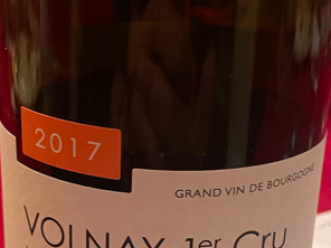
Purple/ruby in color, partially opaque and shimmering bright. The nose is deep and complex. Aromas of Cherries, sligh black cherries with a touch of pomegranate and a nice earthy quality. Medium bodied. Wispy tannins. On the palate, this has moderate complexity. Flavors of cherries and black cherries and underlying earthiness. Long finish. This is at peak or just past but still drinking nicely. It will be better with food. This would be nice with venison or else Roasted Acorn Squash. Drink over the next few years, maybe a little more for well stored bottles.
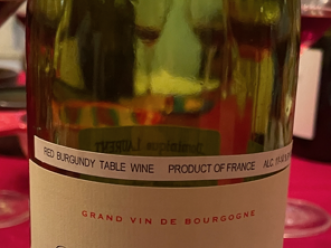
Purple in color with ruby swirls, mostly opaque and bright. The nose starts off dusty and "feeling" old but with some air, black cherries and slight earthiness. Medium bodied. Tannins seem resolved. On the palate, flavors of cranberries with slight rhubarb. Moderate finish. This is a fine wine but nothing exceptional and (at least this bottle) seems past prime. It is certainly worth drinking and will be better with food. Mushroom Risotto would be a nice choice. Drink over the next few years.
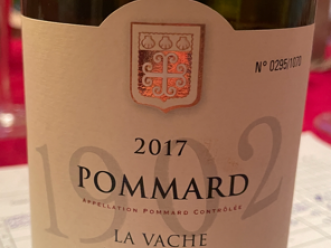
This showed very well. On the larger side of Burgundy Pinot Noir. Purple in color with some ruby hues, mostly opaque and bright. The nose is earthy with cherries and slight black raspberries. Medium to full bodied. Good balance and energy. On the palate, this is vibrant/fresh. Plenty of depth. Flavors of black cherries, slight cherries and slight earthiness. Good finish. This is getting close to peak but should go another ten to fifteen years. It drinks well on its own and will work well with foods. It would work well with Roasted Duck or Chicken.


Ruby in color, clear and bright. The nose has cherries, raspberries, a hint of white pepper and a background floral note. Medium bodied. Light tannins. Flavors of tart cherries with a slight earthiness. A very nice, solid wine. Not a ton of depth but very enjoyable. Seems to be at peak so better to drink sooner. Maybe five to seven year window. Very food friendly and nice on its own. A nice choice with Salmon.
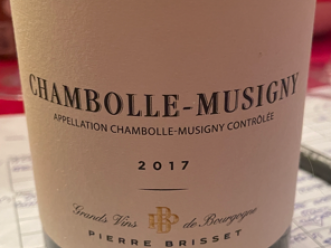
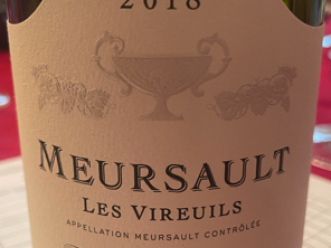
Very nice showing for the Chardonnay from France. Gold/green in color, clear and bright. The nose is lovely with slate, pears, "steely" lemon rind, and a touch of toasted oak. Slightly oily texture. Full bodied. On the palate, a lemon hard candy (not sweet) note with some pear notes. A hint of mint on the finish. This is drinking well but no hurry. It is delicious on its own but will work well with many foods. Baked Trout would be a good choice as would Pasta Primavera. Drink over the next ten to twelve years.