Veneto

How to Make Wine at Home: A Garage Wine Primer

One of the best parts of making wine in a professional setting is being able to see what wine is capable of – both its negatives and its positives – on a large scale. In some sense a branded wine is one that has achieved more positives than negatives and has therefore carved a niche within the industry for its particular style of winemaking.

In recent years, however, scores of exceptional wines have come from very small producers who literally made their first wines in a garage. Pomerol garage wines, as well as some from California and Washington state have found acclaim in their respective markets, proving that the big producers don’t always turn out the best wines.

Valpolicella: Differentiating this Veneto Red from Amarone

In the last article, I discussed Recioto della Valpolicella Amarone. While most of the feedback that I received (and I love to get some feedback) was positive, apparently, there is still some confusion on differentiating Amarone from Valpolicella. Based on the name, such confusion is understandable. Although Amarone may be the superior wine, “simple” Valpolicella, however, is a wine worthy of its own discussion and understanding.

Recioto della Valpolicella Amarone: Veneto's Big Red Wine

In the winter, there is a wine from Italy that really seems to fit the mood of the day. A wine that is contemplative and warming. It comes from the Northeastern corner of Italy, in the Veneto. I am talking about Amarone. The region of the Veneto was discussed in earlier articles on Soave and Prosecco. Amarone is one of the most famous big red wines that are produced in Italy, but surprisingly enough, does not have a long and storied history.

To understand Amarone, one must first start with the wine of Valpolicella. Valpolicella is the name of a valley in the Veneto. The name literally means “valley of many cellars.” Wine has been made here since at least the time of the Romans. The red wine is based mostly on the Corvina and Rondinella grapes and like the valley is also called Valpolicella. It is a nice easy to drink red wine that was popular with the locals. Simultaneously, or perhaps even earlier, a sweet version of this wine was being produced called Recioto della Valpolicella. It comes from the same area, is the same blend of grapes and dates back to Roman times.

The Romans developed a process known as appassimento, for making a sweet wine. This means the grapes were cut from the vines and left to dry out in the sun on straw mats concentrating the sugars in the grapes as the water evaporated.

Italy’s Best Sparkling Wine Value: Veneto's Prosecco

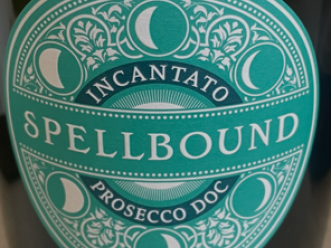
Continuing our Italian Sparkling wine Journeys (just in time for the holidays), we will continue to head east thru northern Italy. You may recall we started in Piemonte with Asti Spumante and Moscato d’Asti. Then traveled east thru Lombardia and their sparkler, Franciacorta. Continuing on east of Lombardia is the Veneto, home to some world class red and white wines and perhaps the best sparkling wine value (along with Cava from Spain) available on store shelves. I am talking, of course, about Prosecco.

Soave - A Veneto White Wine That Is Summer's Perfect Companion

Last month, I wrote about the white wines of Friuli because as summer approaches, many of us are on the lookout for tasty and interesting white wines. This month, I would like to continue talk about white wines from Italy, this time from their neighbors in the Veneto.

Prosecco: Champagne's Sexy Italian Cousin

I'm often inspired by this illusive effevescent wonder. It makes the perfect start or finish to any dining experience and is a masterful accompaniment to meals designed not to overpower the delicate sparkling wine. A tall flute of prosecco is simple: visually perfect. Not much need be done to enjoy it, but it brings added pleasure to anything it is paired with.

Soave: Medieval Walls in the Heart of the Veneto

The first time I really thought about Soave wine, it wasn’t in a very complimentary way. My husband and I dubbed Soave “airplane wine” because it was served on every single flight we took into or out of Italy. We groaned when we saw the labels on those tiny bottles. Couldn’t the airlines think of some other kind of wine to serve?

Syndicate content