NORTHERN CALIFORNIA WINERIES GO ORGANIC, SUSTAINABLE AND BIODYNAMIC
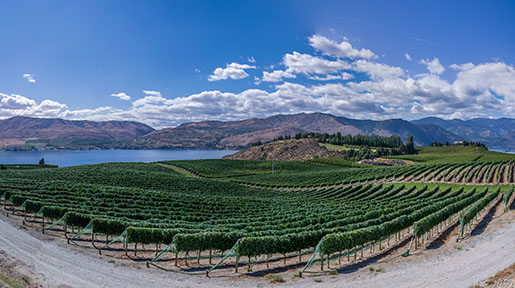
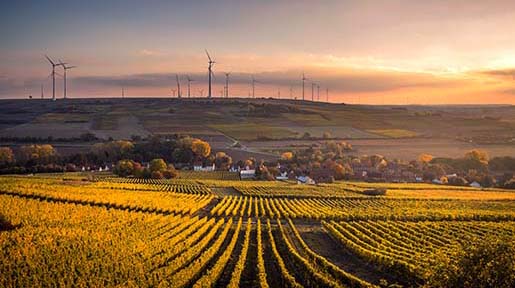
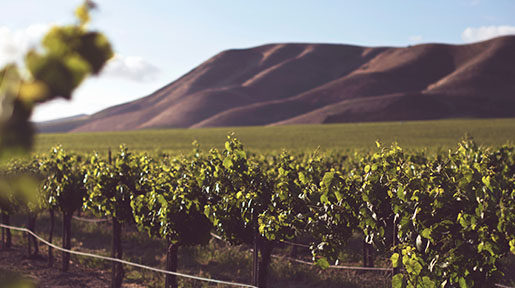
From large to small, northern California wineries are starting to color their operations green, whether by organically growing their grapes, practicing sustainable activities or creating biodynamic environments.
It’s a common Silicon Valley dream. The analytical person who catches the wine bug early in life and can’t wait for the day when they can focus their passion away from algorithms and code and towards winemaking. Rick Moshin is living that Silicon Valley dream. A former mathematician, Moshin entered the wine business gradually, working weekends at first, then learning the ropes working with some of the finest winemakers in Sonoma. He bought his first lot of vines in 1989 and in 2005 celebrated his first crush along with the launch of his 30 year old dream, Moshin Vineyards and Winery. IntoWine recently caught up with Rick to discuss his evolution from mathematician to winemaker and hear first hand what is an inspiring story of persistence and passion.
Everyone’s seen the labeling on wine bottles: “Contains Sulfites.” There is no shortage of opinions as to whether sulfur should be used at all in the vineyard or the winery. Much like anything, with opinions comes confusion. As a wine-industry professional, I would like to dispel some of the myths.
When it comes right down to it, there is always going to be some sulfur in wine. Sulfur is a natural byproduct of the fermentation process (yes, small amounts of sulfur can be found in bread too) and it is one of the most useful tools a winemaker has.
The English language has no accurate translation for the French word terroir. The closest thing we have is terrain, a word designed strictly to denote the way a land lays, a word for describing surfaces. Terrain says something, but far from everything, about terroir. At its closest, terrain is perhaps to terroir what a page is to a book, though terroir as a concept is admittedly more slippery.
When it comes to the topic of wines, particularly organic wines, separating myth from fact can be a daunting task. Much of the information available on organic wines is contradictory. While there is generally no argument that drinking wine made from organic grapes is better for you than drinking wine made from grapes laden with chemicals, there is quite a lot of controversy surrounding the topic of sulfites in organic wines.
This article is Part II of a two part series by Céline Guillou. Part I, "Green Wine: What Does "Green" Mean? Does it Taste Better?", can be viewed here.
Organic Wine
For many years, the simple mention of “organic wine” inspired a less than enthusiastic reaction from wine consumers, who generally viewed purveyors of organic wine as “tree-huggers”.
It goes without saying that “green” is the new red. Talk of “green” is all over the media and fast spreading to every industry – food, automotive, home improvement, and now wine. But when it comes to wine, does “green” really taste better? And, more importantly, what does it actually mean?
A short answer to the first question is a resounding “yes” (more later on that).
Answering the second, however, is more of a challenge, and really the starting point of this article.
As the understanding and appreciation of biodynamics continues to grow, we are seeing more and more vintners converting to what has become an innovative practice. The agricultural principles established by Rudolf Steiner in the 1920's, for a time disregarded because they were rooted in mysticism, are being embraced by some of the most successful and high profile winemakers in the New World.
“Biodynamics is a religious fervor that has nothing to do with growing grapes,” said one Napa winery owner. A November 2006 poll by Decanter Magazine showed that 52 percent of respondents thought that biodynamics was, “a load of horse manure.” Biodynamics sounds alternative and hip, but is it? Two wineries in Santa Barbara, Melville and Presidio, employ biodynamic practices and help shed some light on this complex idea of farming.
With the US trend in organic food growing by more than 20% per year it is no surprise that organic wine has become a heated topic for debate. But with the organic food flood in the marketplace isn't the absence of organic wine curious? Wine, like food, in the US must comply with the USDA standards for "organic" certification. For farmers and vintners alike this provides numerous barriers and red tape to negotiate.