Rosé

4th of July Wine - What's the Ideal Wine to Celebrate Independence Day?

While beer is often the refreshing beverage of choice on the 4th of July, wine is increasingly more popular as a relaxing summertime refreshment. With wine's increase in popularity comes the challenge of finding a wine to serve that not only beats the heat, but pairs well with typical picnic fare. IntoWine.com asked our panel of wine experts for their thoughts on what wine to serve on the Fourth of July:

"For most folks, the 4th of July signifies celebration and a wide variety of outdoor picnic style foods. Grilled meats, a variety of salads, like potato or coleslaw, and grilled corn on the cob immediately come to mind. One style of wine that can effectively complement all of these flavor profiles is rosé. A well balanced rosé will provide the fruity richness to handle heartier fare (anything off the grill), while at the same time not over power the more delicate or sweeter dishes (corn or coleslaw) on the menu. Plus a refreshing glass of rose is a nice way to cool off on this warm weather holiday. A stellar choice would be the 2007 Château de Ségriès, Tavel Rosé $19.99." - Mulan Chan, Rhône and French Regional Buyer, K&L Wine Merchants

Broadbent Madeira"There is one wine that surely must be the choice for the fourth of July - Madeira. Madeira is the wine that was used by the Founding Father's to Toast the Declaration of Independence. Betsy Ross had a side table with a glass of wine on it when she was sewing the flag.

Folie a Deux

Folie a Deaux is a psychiatric term that refers to two people sharing the same delusional ideas. Perhaps a whimsical name for a winery, but appropriate if the founders of the winery happen to both be psychology professionals. While the original couple no longer own the winery, their legacy lives on in the Rorschach dancers on the logo. The tasting room sports a variety of wines for tasting, including several Menage a Trois blends (one white, one red, one rose) as well as a Napa Cellars merlot, zin and sauvignon blanc. The available picnic tables make this stop particularly appealing for those who’ve purchased lunch vittles from the Oakville Grocery up the road, and need a place to nosh.

Peju Province Winery

Visitors to the Peju tasting room enjoy several unique experiences. They are walked through a systematic tasting, with an attendee carefully pouring and explaining as they go, while not being distracted by newcomers. If they wander into the newest wing of the tasting space, they can marvel at the exquisite quartzite floors that reportedly echo the owner’s impression of a stone Persian rug. Owner Tony Peju, originally of Iran, and his Austrian born wife, founded the winery in the mid-1980s after years of running a successful high end landscaping business. Their devotion to fine art, sculpture, and gardens is apparent as soon as one enters the drive, as the carefully pruned Sycamore trees beckon you in. Lush gardens and an antique stained glass window, coupled with their open-late reputation (unlike many of their neighbors, Peju’s doors are open until 6pm) no doubt help make this one of the most profitable tasting rooms in Napa.

V. Sattui Winery

Known as one of the limited number of Napa wineries that have county permits for picnics, V Sattui offers mid-day tasters a chance to buy some bread and cheese and sit for a spell in the shade. While patrons cannot bring their own fixins onto the grounds, the on-site deli offers sufficient varieties of meat, cheese, bread, dips and oils to satisfy the most discerning of palates. The wines are not particularly noteworthy, but the three rooms of foodstuffs and other items are something of a shoppers’ paradise.

A Rosé by Any Other Name

Never was there a more screwed up, contorted, topsy-turvy mess in the wine world―at least in my opinion. It was called a white wine, but it really wasn’t. It came in a box (you could get it in bottles, too, but no one did) and that was just plain weird. The whole thing was a huge marketing success.

You know what I’m talking about—white zinfandel.

All Rosés Lead to Southern France

It’s hot. The Fourth of July witnessed blistering temperatures around California, and this time the Bay Area was no exception. In my last column, I bemoaned the cool temperatures that typically beset the San Francisco metropolitan area in June and July and used the unseasonable chill as an excuse to explore one of the heavier wine regions of France, the syrah-saturated Northern Rhône. But our recent string of 75-plus-and-sunny days shows my pessimism to be ill-advised.

Rosé Renaissance: The Growing Popularity of Rhone Style Pink Wines

The Rhone Report: About Rhone and Rhone-Style Wines and Winemakers is part of an ongoing series.

Dry rosé wine has long been appreciated in Europe, especially the south of France. Rosés from the Rhone Valley and elsewhere in Provence have been highly regarded for generations. These rosés are popular with the local cuisine (think garlic, tomato, fish, shellfish, poultry, game, dry sausages, olives, fresh vegetables, basil, etc.), especially during the summer months when a chilled glass is particularly refreshing.

Rosé Wine - A Winemakers Perspective

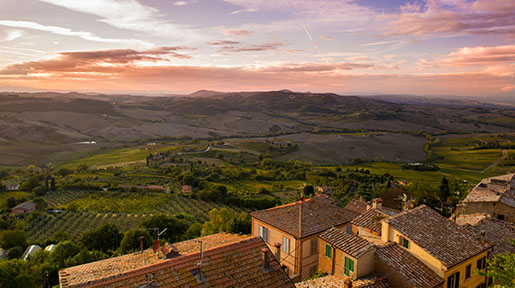
Let’s pretend for a moment that you are on vacation. The sun is shining. You are lounging on a veranda and the countryside around you seems to roll forever into the distance like a daydream. In this instance, when your thoughts fade to the warmth of the sun and simple foods and pleasures, there is no reason to confound your bliss with a wine that requires explanation.

What your bliss wants is a Rosé. There is no more perfect summer wine than Rosé.

Syndicate content