In the Art of Travel, Alain de Botton reflects on how the idea of travel to an exotic locale is often more romantic and enchanting than the actual trip. His point is a good one – how many vacations have you taken where the arduous car ride, the bumpy flight, the long line at the museum, the map juggling in the street, or the prices in the gift shops left you frazzled and perhaps wondering if it was all worth it.
Now, of course it’s “all worth it” because seeing the world is better than not seeing it, and exploring new spaces is part of bringing joy and color to life. Trips, visits and vacations can be fabulous. You just have to know what you’re doing.
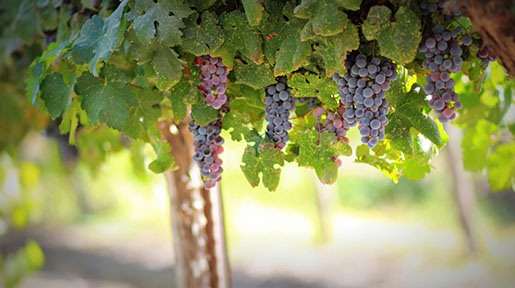
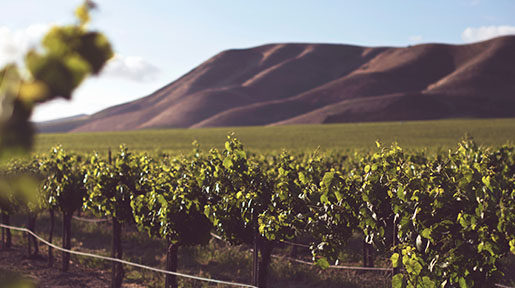
Take a trip to California wine country for instance. The wine growing regions north of San Francisco are sunlit, plush and gorgeous, and they’re an obligatory destination for any wine lover who wants to experience the joy of wine tasting direct from the source. The area is a popular tourist destination though, particularly in the summer, and the resulting crowds, traffic and grating banter can sometimes suck the joy out of the experience. If you’ve decided it’s time to schedule a visit, how do you ensure that your trek through the valley will result in fun and adventure rather than frustration and disappointment? You plan ahead.
First, choose a valley. You don’t have to do the Napa Valley. In fact, if you’re not absolutely wed, you might try veering to the northwest and hitting the Russian River Valley, Alexander Valley or Dry Creek Valley instead. Each of these alter regions has its share of high quality, lesser known wineries, and your visits will likely be more personal and informative than time spent in a glass encrusted gallery space that happens to also house a tasting facility. Plus, you’ll probably pay a lot less in tasting fees.
Next, pick your places. If you’re doing a one day drive, consult a reliable source (your local wine guy; or a well-done wine blog, such as vinography.com, or perhaps your own brain) and put together a list of ten or so wineries you want to visit. You can use a good online map (such as the ones on IntoWine.com) to find wineries that are relatively close together, and then visit their individual web sites to see which ones have open-daily tasting rooms and regular hours. Of those, pick one to visit and cross the rest of your list.
Choose your top 3 non-tasting-room wineries and start calling around to make appointments. You are more likely to get the mom and pop winery experience, and you might get to chat with the winemaker, as opposed to a random person who is working the tasting room for the summer. Try to head for the hills, off the beaten path and away from the crowds. In Napa, for example, wineries on Spring Mountain, Howell Mountain and Mt. Veeder tend to grow outstanding fruit, and hence, produce outstanding wines. Make sure you give yourself plenty of time between appointments so you can carefully navigate those mountain roads.
Go during the week, say, on a Tuesday. That way you’ll avoid the crowds, but more importantly, you’re less likely to get locked into a traffic crawl in the valley. Bonus traffic tip: use the Silverado trail to skirt around downtown St. Helena.
Finally, have a hearty breakfast. Bring plenty of water, and be sure you drink more of it than wine. And if you taste something, somewhere, that you truly don’t enjoy, use the spittoon. That’s what it’s there for.
Northern California wine country is an enchanting place, and your visit should be as engaging and enjoyable as your expectations allow. Avoiding the typical hassles will help make the visit a relaxing one (and how often does that happen, with a vacation?)