Yellow Tail. There, I said it. The first brand to spring to mind when one uses the words “Australia” and “wine” in the same sentence. You know you’ve drunk it. You may even have enjoyed it, though if you are part of a wine-geek circle, you’re probably reluctant to admit as much. If that’s the case, allow me to take the pressure off and acknowledge what all too many casual quaffers are afraid to admit – the stuff ain’t bad, and for under $8 a bottle, it’s one of the best bargains out there.
What makes it such a bargain? In short, it does what it is supposed to do, that is, deliver an affordable, available wine that is more intense, plush, and fruity than any other wine at its price point. And it does this consistently year after year. That, in a nutshell is the current state of Australian wine production.
Of course, that’s not the whole story, and for those who are genuinely offended by the taste, smell, or mention of Yellow Tail (or other massively-produced, uber-branded, critter-bedecked, wines produced by the continent/country), rest assured that there are plenty of small producer, inspired wines to choose from. That’s the great thing about Australian wines: for value, they can’t be beat; for quality, you’ve got quite the selection. However, it’s also true that, to paraphrase a certain Robert Parker, the folks down under do produce an awful lot of swill. The trick is to do your homework before you buy, and seek out the producers who are known to produce the drinkable stuff. Then, head to your local wine shop or even (gasp!) grocery store, to do some selective shopping.
Here are the basics: there are only a few outstandingly produced varietals emerging from Australia. For whites, chardonnays top the list, followed by some select Rieslings and Semillons. With reds, it’s all about the shiraz and the cabernet. By far, conventional wisdom holds that shiraz is the stunner of the group. In the right hands, with the right soil and climate, a well crafted Australian shiraz is big, bold, plush and jammy, yet complex enough to appreciate for more than the first .05 seconds of its hitting your tongue.
Australian winemaking is unique in a couple of ways. First, they’re much more partial to blending. Unlike wine production in more traditional parts of the world, Aussies forego a strict allegiance to “place” and instead grow grapes all over, truck them to a centralized facility, and blend them in appropriate proportions to achieve a melding of flavors. This is part of what enables said Yellow Tail to taste the same every year (but also 180 degrees from “terroir.”)
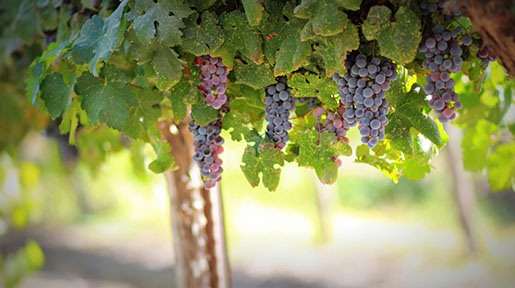
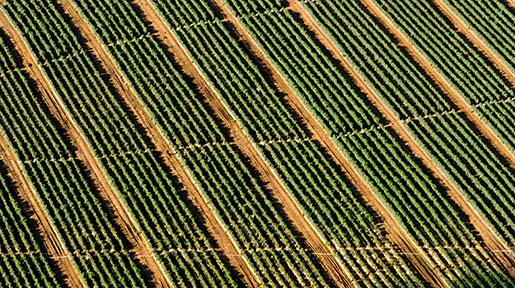
They’re also known for being somewhat industrial and cutting edge in their techniques. According to wine author Karen McNeil, Australian winemakers have much in common with their North American counterparts in that they tend to be intrigued by the latest methods and technologies. Part of this manifests as a reliance on mechanization for much of the grape growing and harvesting process.
Like the US, France, Italy, or any other respectable wine nation, Australia is home to numerous vine-growing regions, each with its own distinct advantages and varietals, and some that grow better grapes than others. In coming months, we’ll explore some of these areas, and take a look at how they stack up to each other, and their international counterparts. For now, let’s leave it with this. It’s ok to like Australian wines. Even the Yellow Tail.