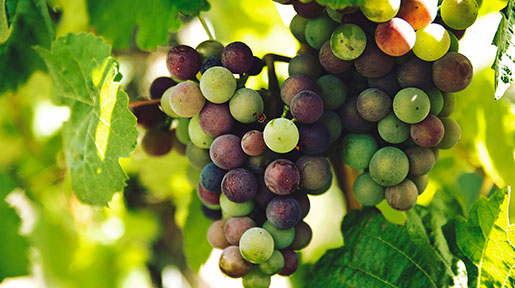
All the grapes have been harvested. They have been crushed, de-stemmed, macerated, the musts have fermented. The once exhaustive aromas of carbon dioxide and alcohol have subsided. For those of us in the wine-production industry, it feels as though the leviathan wind that threw open the doors and windows and scattered our effects has finally left the building.
It is a relief really. For half a dozen people to produce fifty-thousand cases of wine from over 700 tons of grapes in about seventy+ days is daunting (and that’s a small production, relatively speaking). But what happens now that the grapes have fermented? What happens after the sugars have been broken down by yeasts and you have alcohol?
This is truly when the real work begins – after the harvest. But what do we have so far? What stage of the process are we in?
For red and white wines, depending on the varietal, we will determine what shape the wine is in. We will look at the PH, the percentage of alcohol by volume, the rate of bacterial conversion of acids. We will look for potential flaws in the wine, off aromas or unbalanced characteristics, anything that could make the final product displeasing.
There are empirical tests which can be applied to examine all of these aspects of wine chemistry. But truthfully, the best way to know how healthy a young wine is, is to taste it. Wine is a gastronomic experience after all, not a science project.
As romantic as this sounds, tasting young wines is not as fun as tasting finished and aged wines. A winemaker has to be able to sense where a wine is going, and could go, if it were to achieve something close to greatness. Unfortunately, greatness doesn’t come easy.
The foremost concern, prior to manipulating a wine for the consuming public is staying true to the varietal expectation.
For instance, for a dry sauvignon blanc to taste like a dry sauvignon blanc (or what the general public perceives as a good SB), it should retain some of the crisp malic acid that is a signature of the varietal. In order to retain that signature, an SB will be manipulated as little as possible. Part of this equation involves not sending the wine through malolactic conversion.
Malolactic conversion, a naturally occurring phenomenon and one that can be manipulated through applied science, is responsible for a character of richness (diacetyl) in many wines. ML conversion is typically used on wines that would maintain a bit/ton of harshness if the malic acid is not converted. ML conversion is really just the breakdown of malic acid and the creation of lactic acid (think green apples turning to caramel).
For wines like cabernet sauvignon, which naturally have a biting edge, the carmelization thing really makes sense. For wines like chardonnay, the matter is up for debate. In fact, for just about every varietal in the world, there are thousands of theories and practices. Alas, we are staying on course – that is what this article is about.
Plotting the course, a wine can take many turns. But in the end, coaxing a wine toward distinction is about three very important things.
First, sourcing good fruit from a reputable grower. Second, having sanitary conditions in which to make wine. Third, knowing what you want from the variety and making that happen.
For a commercial operation, it is relatively easy to create options for making better wines. There is no shortage of advice and/or tools for the job – from myriad yeasts to stainless steel tanks to oak powders and crystallized acids and temperature controlled rooms – if you have the money you can make a “better” wine than what you might have at the end of harvest.
Knowing how to achieve a delicious and healthy wine is the key. For an experienced winemaker, one taste can say so much. Multiple tastes throughout the aging and blending process say more. Being able to sense what a wine needs or what characteristics are inhibiting it from being something special takes practice.
After six harvests and thousands of tastes and deliberations on the sensory applications of wine science, I can say with some certainty that I’m only part of the way there.